The novels live here. Under the HOUSE OF APEX™ brand, The African Series is the foundational sculptural collection of Apex Wildlife Foundry LLC, drawing directly from the landscapes, wildlife, characters, and defining moments of the African Wildlife Conservation Series.
Created in sterling silver by Apex Wildlife Foundry LLC, each sculpture gives physical form to a world first imagined and brought to life through the novels. This is the home territory of the narrative universe—the foundation from which the other collections grow. To hold one of these sculptures is to hold a fragment of the story itself.

At the heart of The Last Scales is one of nature's most extraordinary and defenceless creatures. Silent, harmless and enigmatic, the pangolin possesses no weapons with which to fight its persecutors, relying instead upon its remarkable armour of overlapping scales. Yet those very scales have made it the target of a ruthless international trafficking industry. Curled defensively into a near-perfect ball, with one watchful eye peering out from its protective shell, this little creature embodies the vulnerability, resilience and desperate struggle for survival that form the heart and soul of the novel.

Shawu was no ordinary elephant. One of Kruger National Park's legendary Magnificent Seven, this magnificent old bull carried enormous tusks that made him one of Africa's most celebrated great tuskers. His extraordinary presence and the legacy of these increasingly rare giants became an inspiration for White Gold, a novel exposing the brutal international trade in ivory and the relentless persecution of elephants for their tusks. Shawu represents everything that industry threatens to destroy: the majesty, intelligence and enduring spirit of Africa's elephants, whose greatest misfortune is to carry something mankind has placed a price upon.
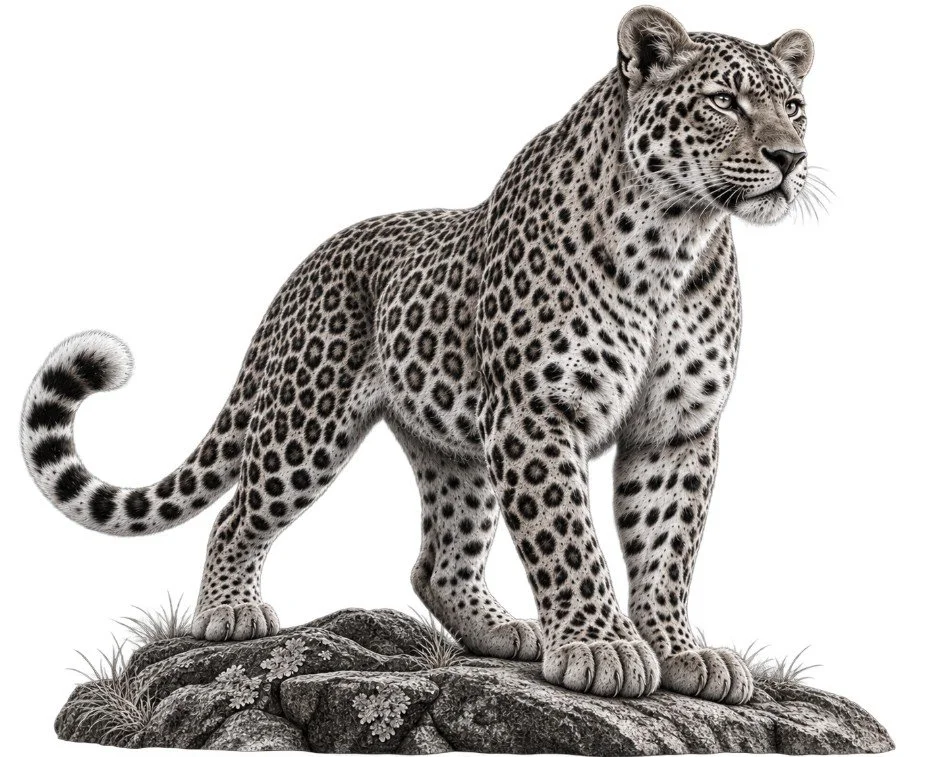
Where it all began, with my first novel, Scars of the Leopard. A creature of extraordinary stealth, strength and instinct, the African leopard embodies the scars of adversity, the will to survive, and the resilience that lies at the heart of the story.
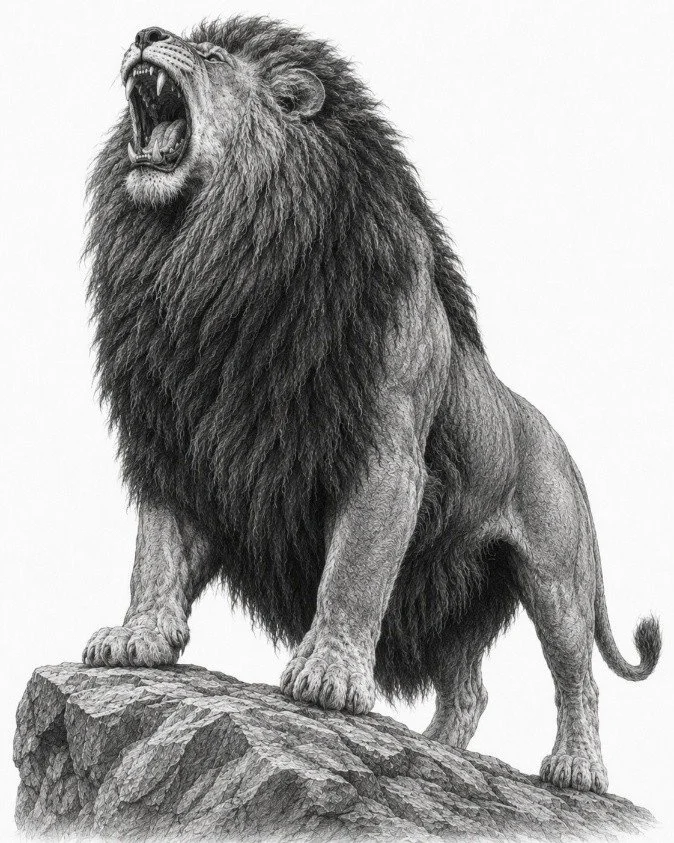
High upon a precipice in the Tell Atlas Mountains, having brought down two Edmi gazelles, the last wild Barbary lion prepares to unleash his mighty roar. But a bullet finds his heart before his voice can be heard. The Last Roar immortalizes the roar that never came, and the tragic silence of a species lost to the wild.
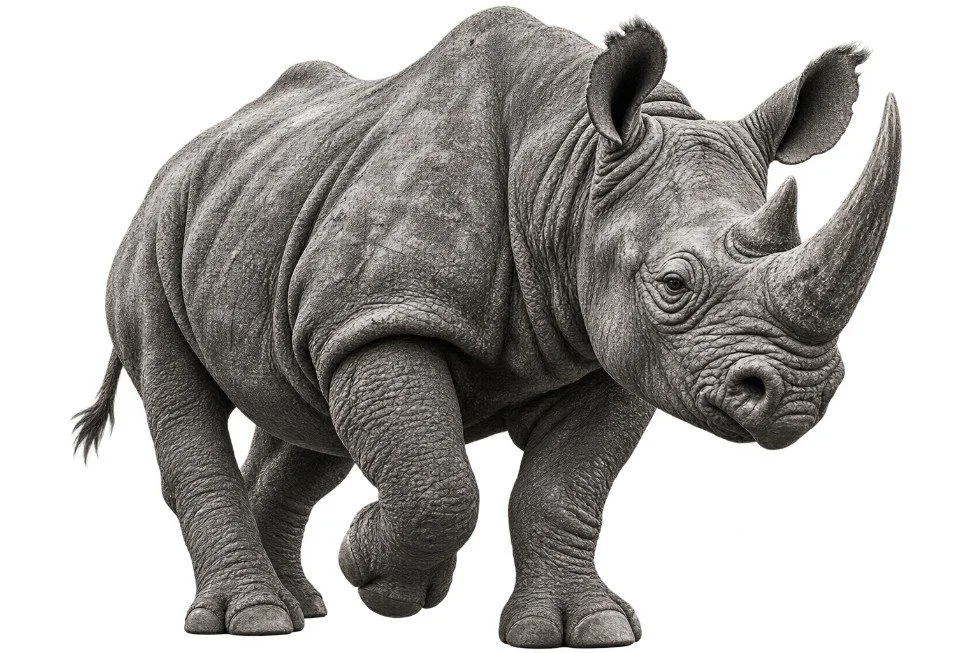
At the heart of The Last Rhino stands one of Africa's most formidable and persecuted creatures. Powerful, unpredictable and fiercely determined to survive, the black rhino becomes the living embodiment of a brutal conflict between the natural world and an industry prepared to destroy it for the value of its horn.
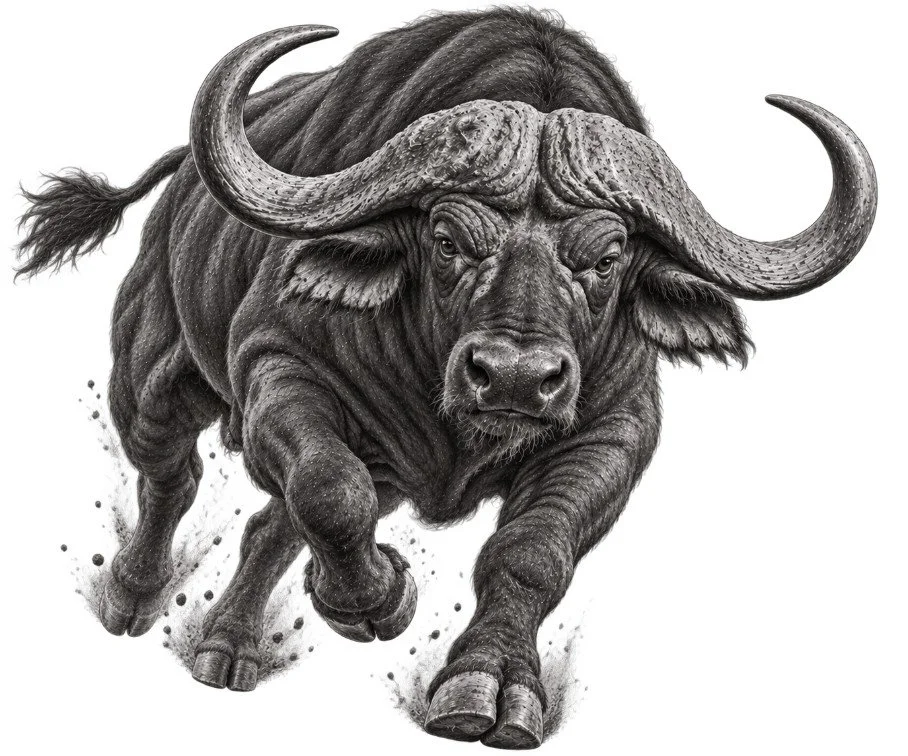
Known as Black Death, the Cape buffalo is among the most formidable of Africa's Big Five—the one that can turn the hunter into the hunted. A pivotal character in part one of 2000 Rhinos, his raw power, unpredictable temperament and willingness to confront danger help establish the unforgiving wilderness in which the novel unfolds.
Under HOUSE OF APEX™, the Apex Predator Collection brings together the dominant species of Africa’s wild hierarchy in sterling silver form. Created by Apex Wildlife Foundry LLC, each sculpture translates the raw authority, danger, and physical presence of apex wildlife into enduring precious-metal art. Lion, leopard, crocodile, hyena, hippopotamus, and Cape buffalo are treated here not as decorative subjects, but as defining forces within the wider House of Apex universe. Each piece is designed to capture power, intent, weight, and confrontation—linking the literary world of House of Apex to the sculptural discipline of the foundry.
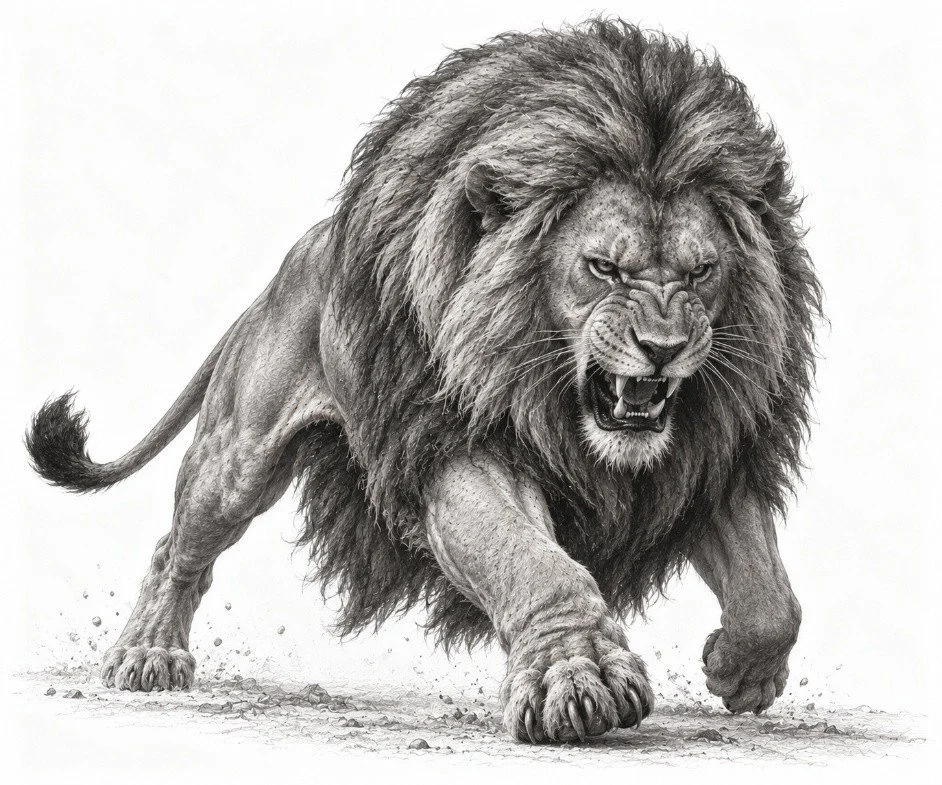
A magnificent Barbary lion, Titan possessed a temperament as explosive as his namesake, one of Saturn's largest moons. Fiercely independent and unwilling to submit, he had already demolished his crate before charging Carl Hendricks. Yet beneath that formidable exterior lay an extraordinary capacity for trust, revealed when the great lion lowered his head and pressed his forehead against Carl's hip. A moment when raw power surrendered to an unlikely bond.
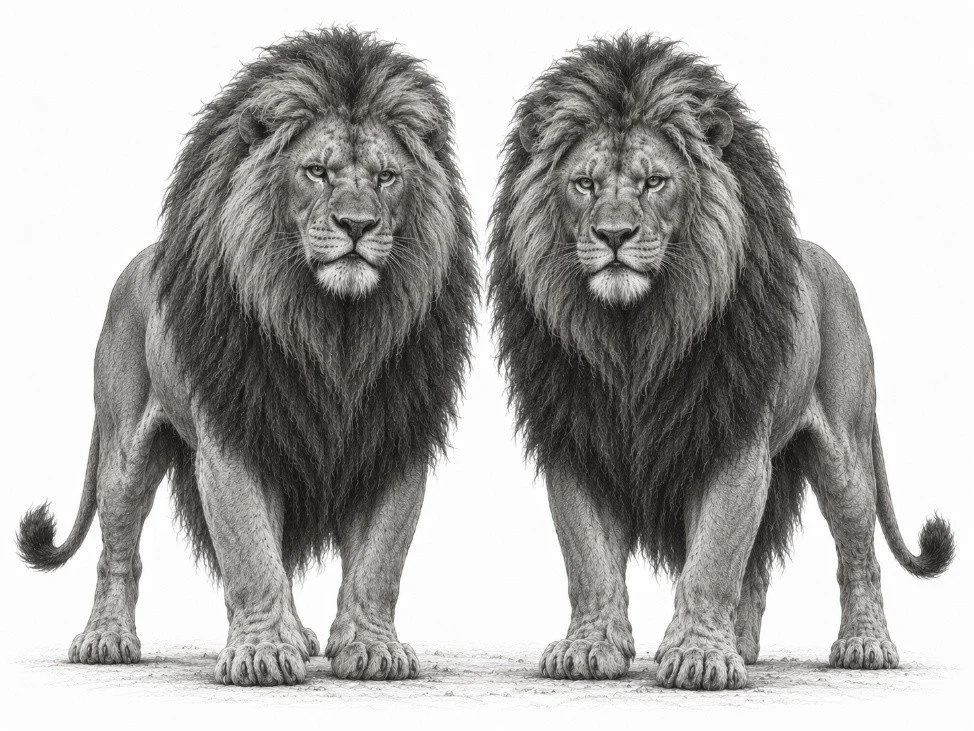
Two magnificent Barbary lions, named after the moons of Saturn. Titan, powerful, hot-headed and fiery; Enceladus, smaller, with an altogether icier temperament. Different in character, yet united by an instinctive bond. When danger threatened Carl Hendricks, the brothers moved to flank him, their formidable presence and deep, resonating growls leaving little doubt about where their allegiance lay. Together, they became an unexpected force of protection.
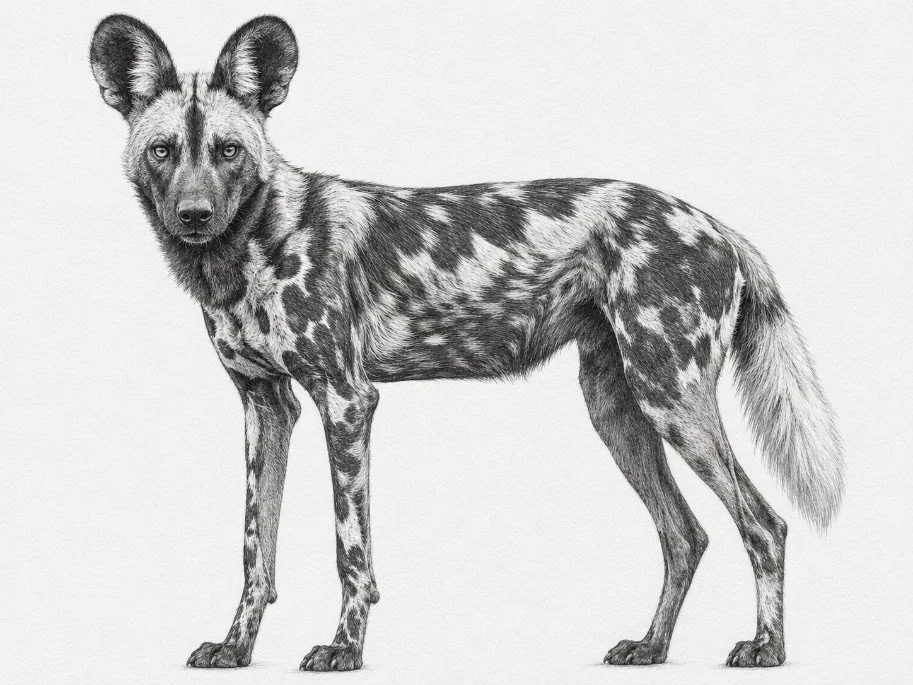
There is no solitary king in the painted dog's world. Its strength lies in the pack, where extraordinary intelligence, cooperation and an almost unbreakable social bond make it one of Africa's most successful hunters. In the unforgiving wilderness that forms the backdrop to my novels, the painted dog represents a different kind of apex predator—one whose survival depends not upon individual power, but upon the collective determination of the pack.
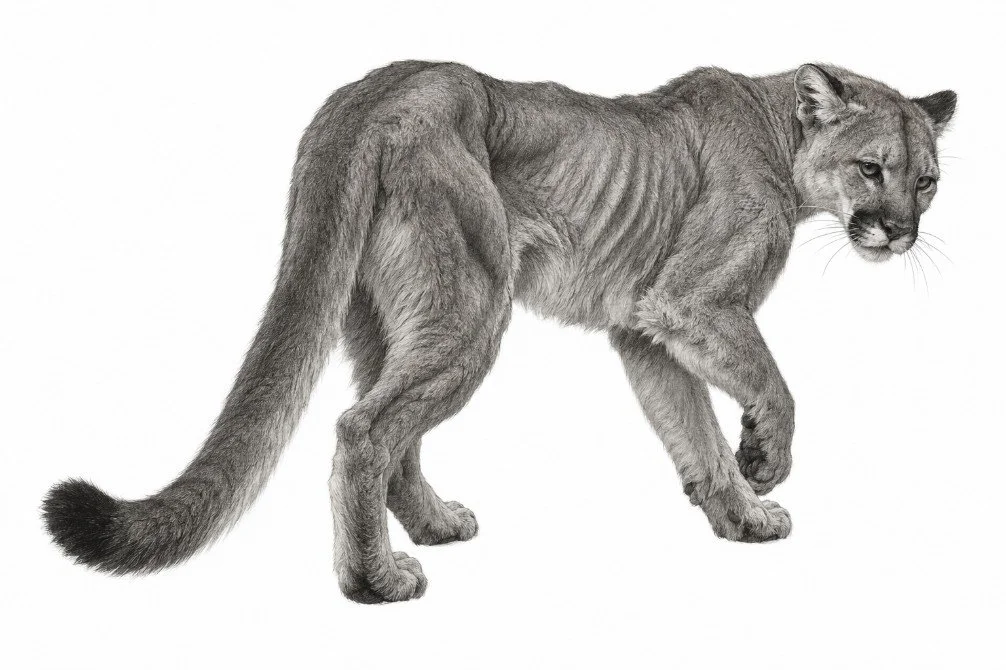
Twenty years old, hungry, exhausted and driven more than two hundred miles from his territory by rifles and pursuing hounds, Old Tom had become a shadow of the formidable predator he once was. His ribs showed beneath his weathered hide, yet his instinct for survival remained undiminished. He killed the dogs that pursued him but never harmed Nicki Bowman. Old Tom was no indiscriminate killer. He was an ageing mountain lion, hunted and displaced, whose only desire was to be left in peace.

Named after the ancient goddess of the moon, Luna embodied the feminine force that governs protection, renewal and the eternal cycles of life. Fiercely protective, intelligent and instinctively aware of the dangers threatening those within her world, she possessed a strength that required neither a magnificent mane nor a thunderous roar. Her importance to the unfolding events of African Lion would ultimately prove far greater than anyone could have anticipated.
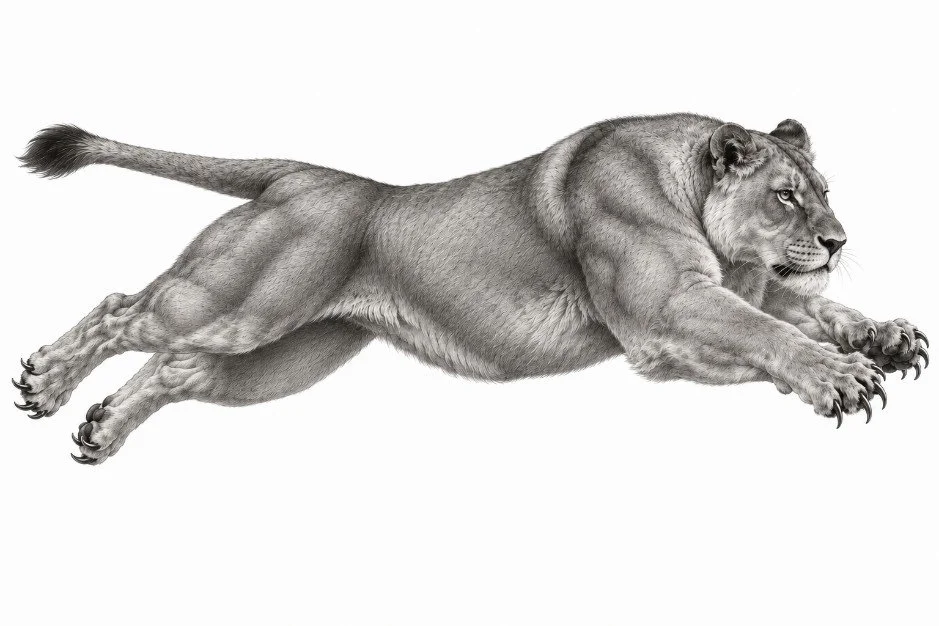
While Titan and Enceladus held their adversary's attention, Luna moved unseen across the courtyard, her powerful body held low to the ground before launching herself upon the unsuspecting man's back. Named for the goddess who illuminates the night, she had become an instrument of reckoning, bringing a violent confrontation to its decisive conclusion. Where the two Barbary males had stood as guardians, it was Luna who delivered the final intervention.
The mythic dimension of Africa, realised in sterling silver. The Apex Mythology Collection™ brings to life the legends, totems, and ancestral imagery that run through the continent’s storytelling traditions and through the novels of House of Apex. These sculptures explore the enduring power of myth — where the real and the symbolic meet.
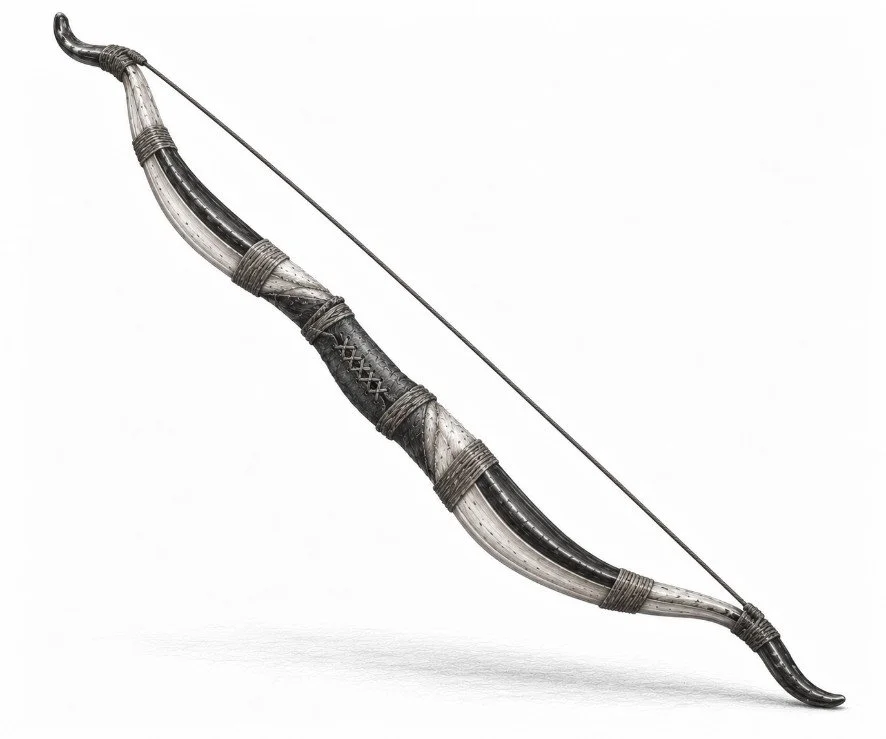
An extraordinary composite recurve bow, fashioned from yew, black rhinoceros horn, lion sinew and lion gut. In the hands of Asad, the Faris Bow became an instrument of calculated cruelty, its very construction a testament to the magnificent creatures sacrificed to create it. At Paleni Pan, Asad demonstrated its deadly precision by killing a lion, two lionesses and a cub. An exquisite weapon born from the destruction of the very wildlife it was designed to kill, the Faris Bow embodies the disturbing contradiction between human craftsmanship and mankind's capacity for brutality.
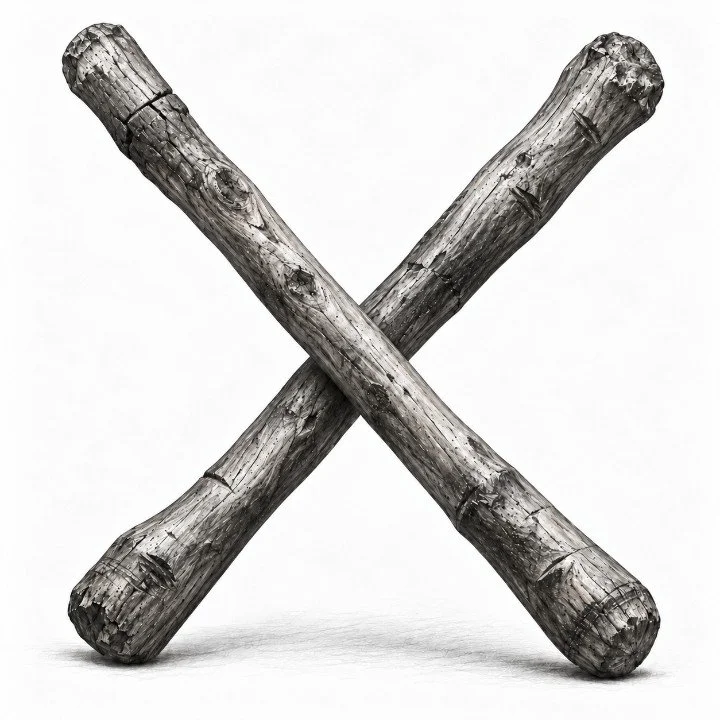
Two shortened hickory pick handles, known as Isiquili and Uboko, became the unlikely instruments through which a young Carl Hendricks first discovered the warrior within himself. Rooted in the traditions of African stick fighting, these battered weapons carried the scars of confrontation, discipline and survival. It was with these sticks that Carl defeated a larger Ndebele boy, earning the name Inkunzi—the Bull. They would remain a part of his extraordinary journey, symbols of the courage and determination that would one day see him stand before a magnificent Barbary lion, armed with little more than his instincts and the courage of his convictions.
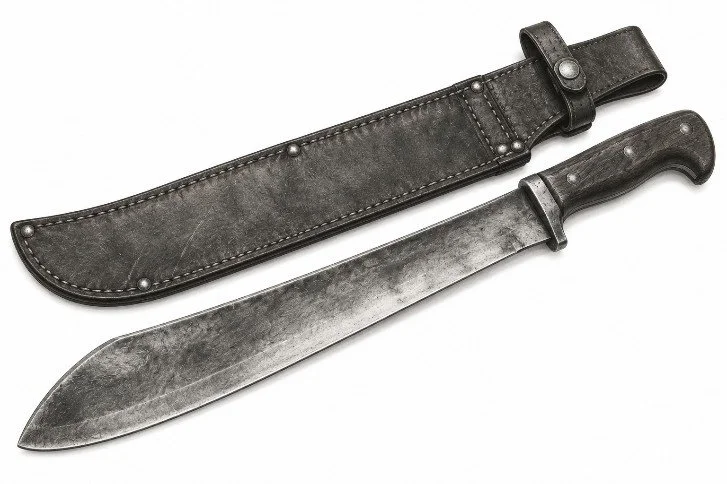
For Nduku, the Teka Hack was considerably more than a knife. It was a personal talisman, an extension of the man himself, carried with a devotion that bordered upon superstition. He might surrender his AK-47, but never the blade that had accompanied him through so much of his violent existence. At Ipharadesi, its cold steel found its way beneath the chin of an old herdsman, another reminder of the brutality that followed in Nduku's wake. The Teka Hack embodies a darker side of the African wilderness, where violence becomes a currency and the objects men carry often reveal considerably more about their character than the words they speak.
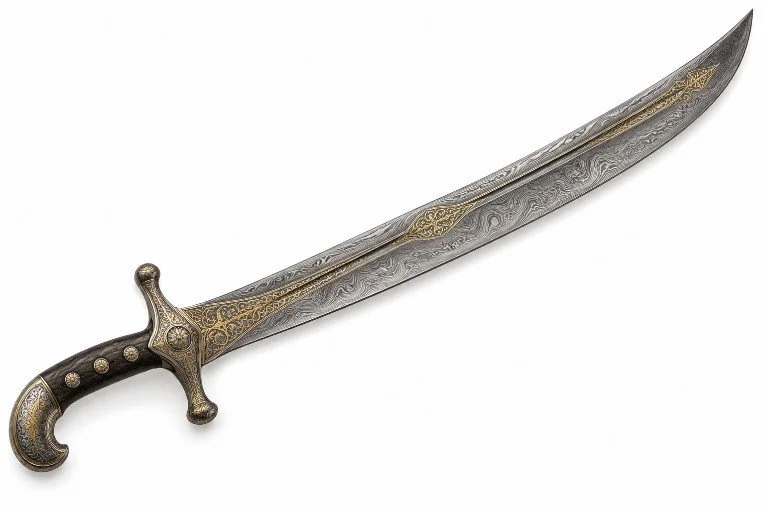
A magnificent Damascus-steel sword, its sweeping blade embellished with intricate gold inlay, the Saif Fulath represented the fourth discipline of furūsiyya, the ancient martial traditions of horsemanship and combat. In the hands of Asad, it was both a symbol of status and an instrument of intimidation, although Carl Hendricks was considerably less impressed, dismissing the elaborate weapon as little more than a 'pot sticker'. Yet the sword's ultimate significance would prove bitterly ironic. During the final confrontation at Ipharadesi, Luna's intervention brought Asad crashing upon his own blade. A weapon fashioned to impose its master's will had delivered the final judgment upon the very man who wielded it.
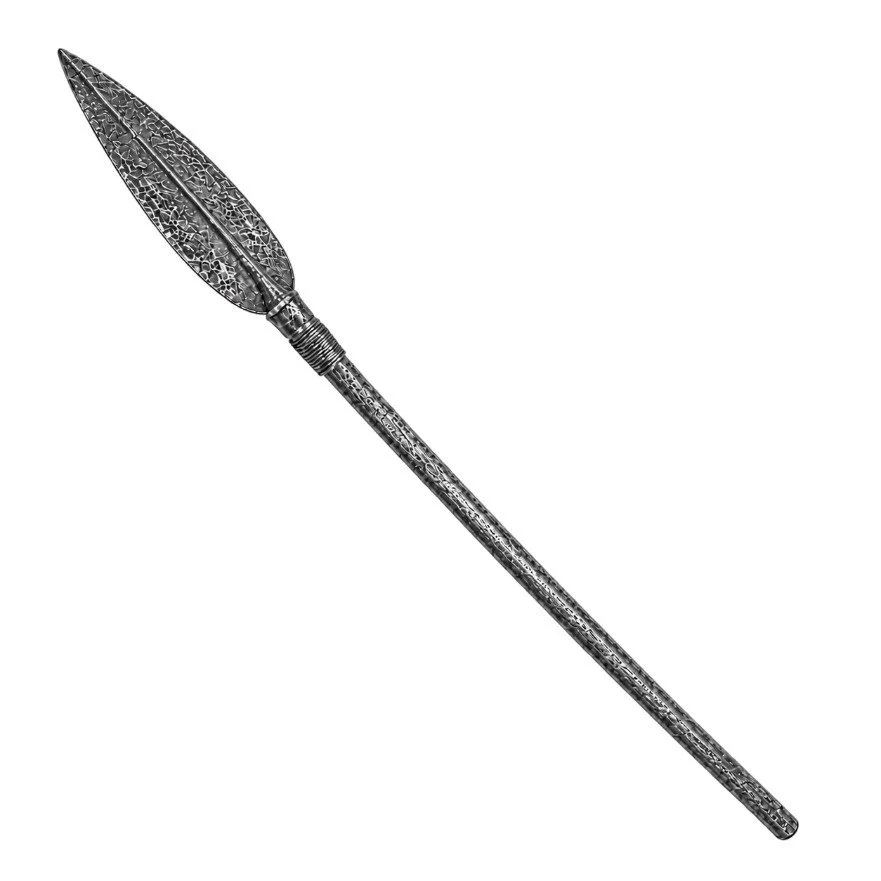
Few weapons in Africa's turbulent history evoke the determination of the warrior more powerfully than the Zulu iklwa. Its broad, formidable blade was designed for the brutal intimacy of close-quarter combat, where courage was measured not by the distance separating two adversaries, but by the willingness to confront one another. Within the world of 2000 Rhinos, the iklwa represents a warrior tradition born from the struggle for land, survival and the defence of what a man holds sacred. Its presence bridges the conflicts of Africa's past with the battles now being fought to protect the continent's increasingly persecuted wildlife.
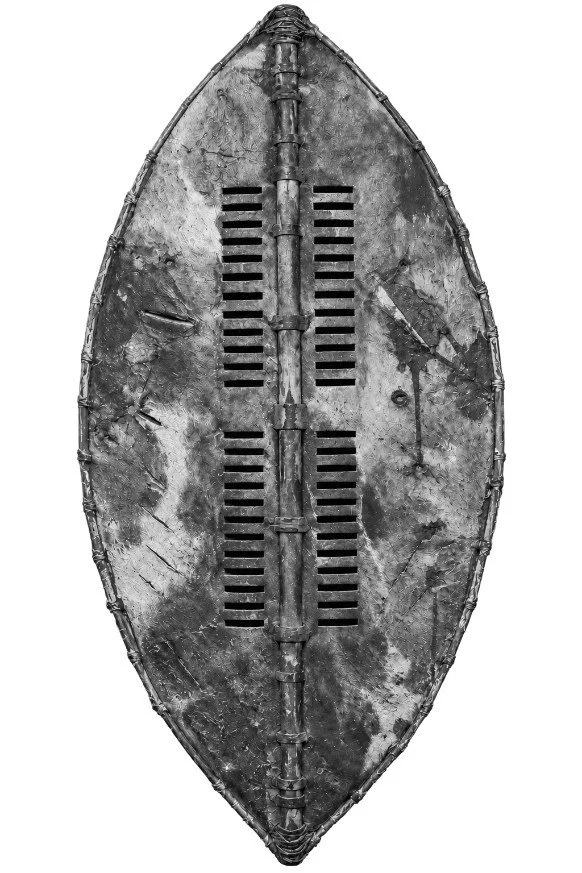
The Zulu war shield was considerably more than an instrument of defence. It represented the warrior's allegiance, his heritage and his willingness to stand against an adversary, regardless of the consequences. In 2000 Rhinos, the shield evokes the indomitable spirit of Africa's warrior traditions, where courage, loyalty and the defence of one's people were inseparable from the land itself. Although the weapons have changed and the battles have assumed a different purpose, the underlying struggle remains remarkably familiar. The shield stands as a reminder that protecting what is sacred has always demanded those prepared to stand their ground.
Under the HOUSE OF APEX™ brand, the Keystone Conservation Collection is created in sterling silver by Apex Wildlife Foundry LLC and aligned with the conservation mission of The Quigley Wildlife Foundation Inc. This collection honors the species whose survival supports entire ecosystems—wildlife whose loss would unravel the balance of the wild. Each sculpture stands not only as a collector’s piece, but as a symbol of stewardship, linking the sculptural work of the foundry to the wildlife-protection purpose of The Quigley Wildlife Foundation Inc.
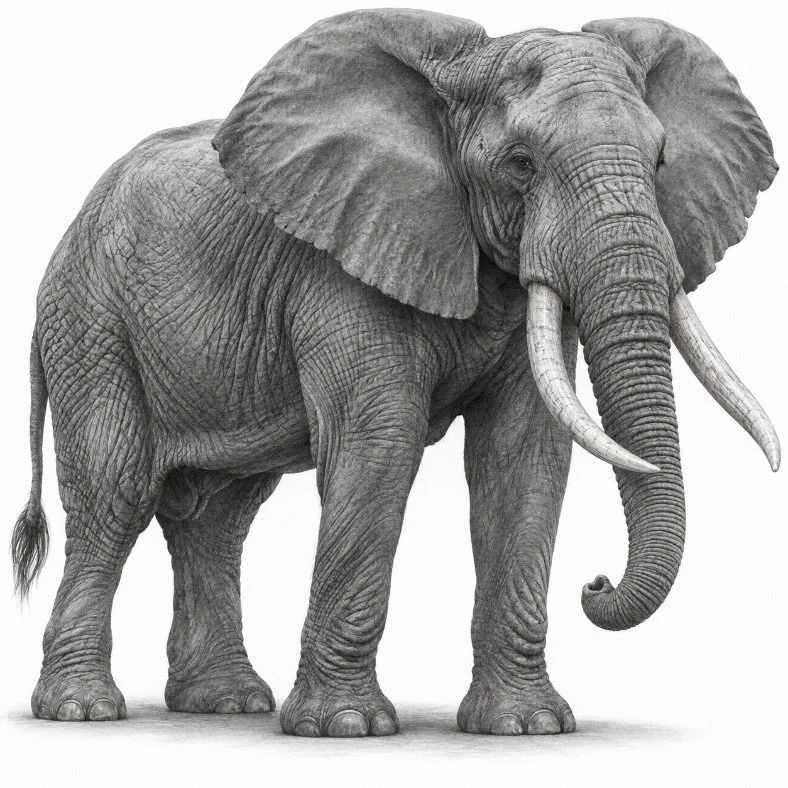
Few creatures have shaped the African wilderness quite like the elephant. A magnificent force of nature, capable of transforming entire landscapes, opening pathways through dense vegetation and creating opportunities for countless other species to survive. Yet this extraordinary intelligence, strength and ecological importance have offered little protection against mankind's insatiable appetite for ivory. In White Gold, the legacy of Shawu, one of Kruger National Park's legendary Magnificent Seven, became an inspiration for a story of greed, persecution and the desperate struggle to protect Africa's remaining great tuskers. This sculpture represents a creature whose true worth can never be measured by the ivory it carries.
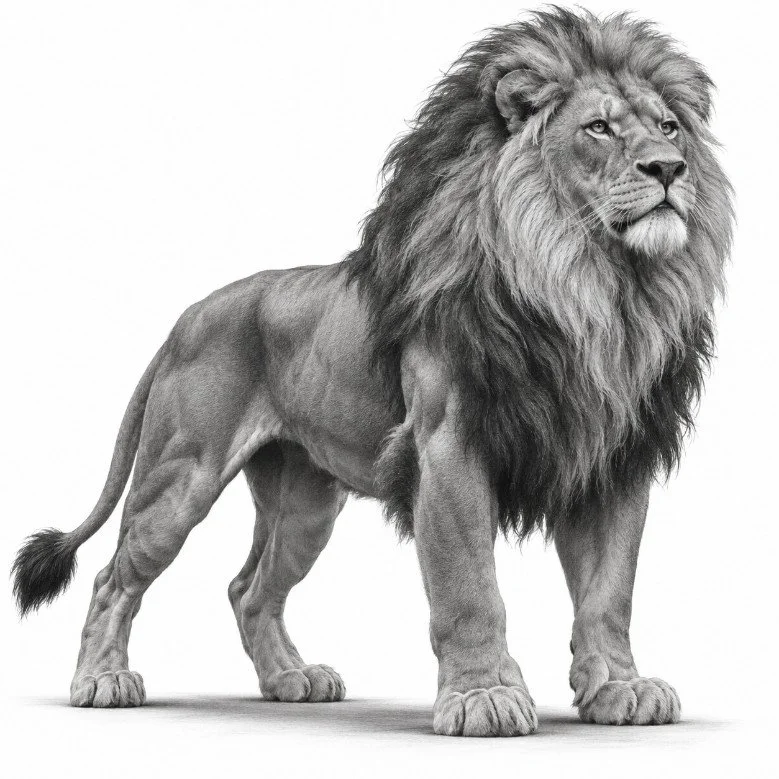
There is something extraordinary about the presence of a mature African lion. A creature whose authority is seldom questioned, yet whose survival depends upon considerably more than strength alone. As an apex predator, the lion plays a vital role in the complex relationships between Africa's great herbivores, competing carnivores and the landscapes they inhabit. Throughout African Lion, the magnificent Barbary lion and its surviving African relatives represent a heritage increasingly threatened by human expansion, persecution and the destruction of their natural habitat. This sculpture captures the unmistakable presence of the lion, a sovereign whose kingdom is steadily being taken from him.
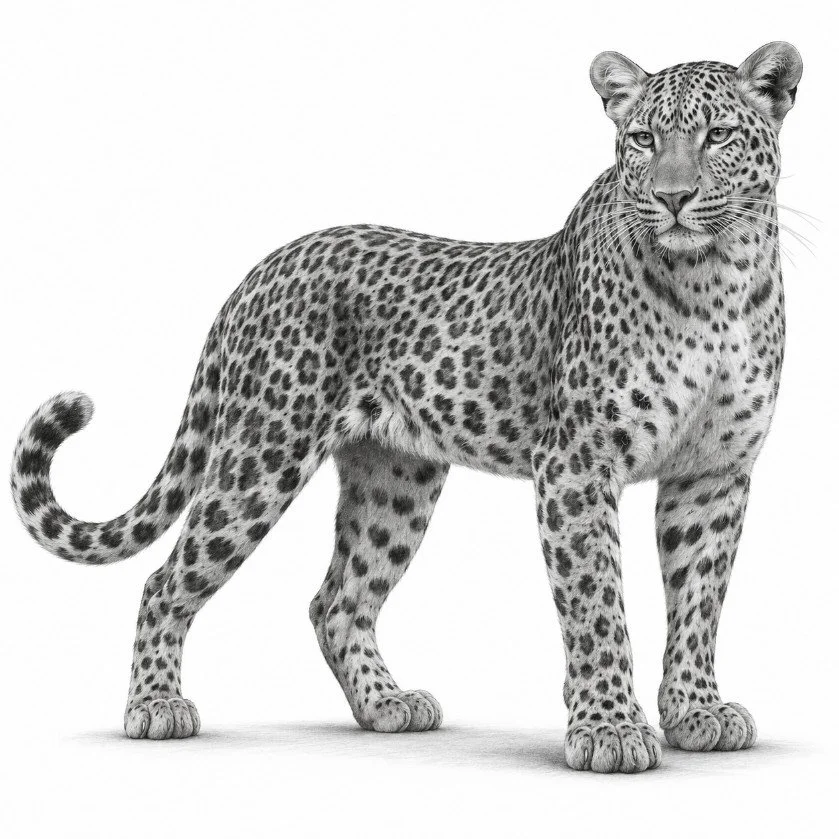
Of all Africa's great predators, few possess the extraordinary combination of stealth, intelligence and adaptability found in the leopard. A solitary hunter, capable of moving almost unseen through forests, mountains and savannas, the leopard exercises an important influence over the animals sharing its territory. It was this remarkable creature that helped inspire Scars of the Leopard, my first novel and the beginning of an interconnected literary world confronting the persecution of Africa's wildlife. Beautiful, elusive and fiercely independent, the leopard embodies a wilderness whose greatest threat is no longer the predator lurking in the shadows, but mankind's determination to control everything within its reach.
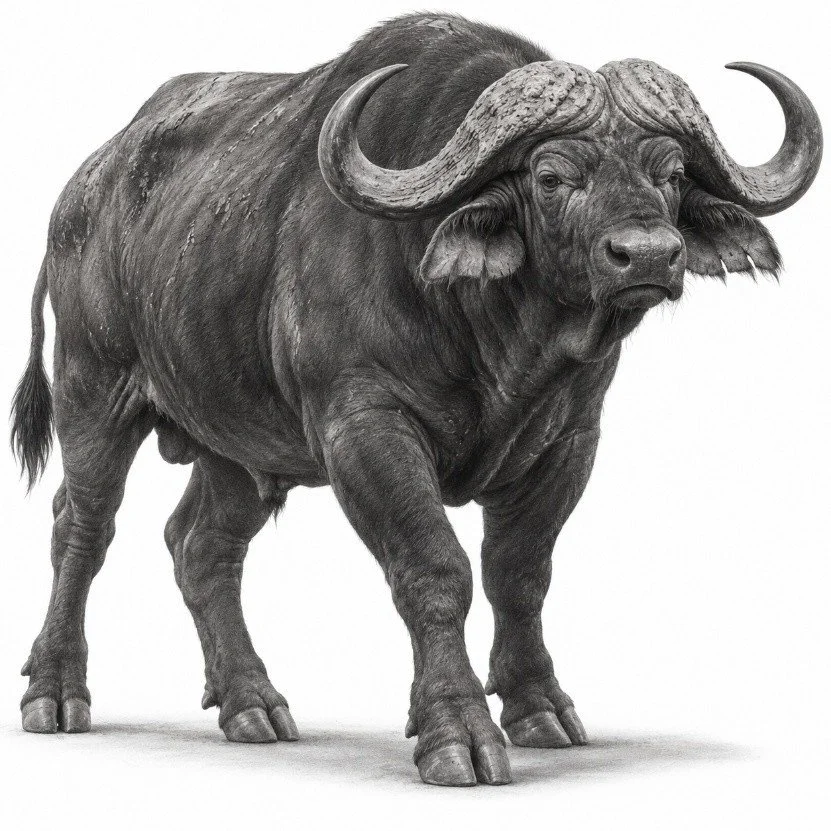
Among Africa's Big Five, the Cape buffalo has earned a reputation that demands considerable respect. Enormously powerful, unpredictable when threatened and fiercely protective of its herd, this formidable animal has little inclination to surrender its ground to man or beast. Known as Black Death, the buffalo becomes a significant character in 2000 Rhinos, embodying the raw, uncompromising nature of the African wilderness. Yet beyond its fearsome reputation lies an ecological importance often overlooked, for these great grazers influence the grasslands upon which so many other species depend. The Cape buffalo represents the extraordinary balance between the power to destroy and the equally important capacity to sustain life.
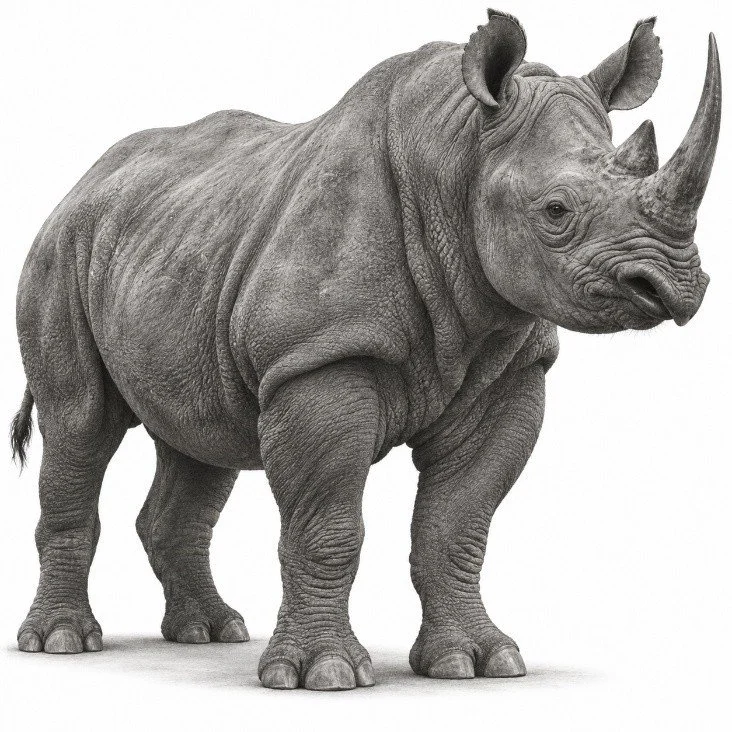
Few animals embody the tragedy of modern wildlife persecution more profoundly than the black rhinoceros. Solitary, immensely powerful and notoriously unpredictable when threatened, this formidable browser has survived millions of years of evolutionary change, only to confront an enemy against which its strength offers little protection. In The Last Rhino, the black rhino stands at the centre of a brutal conflict between conservation and an international criminal industry prepared to destroy an extraordinary animal for the value placed upon its horn. Yet its ecological importance extends far beyond its own survival, influencing the woody vegetation and habitats upon which other species depend. This sculpture represents the terrible irony of a creature capable of defending itself against almost anything, except mankind's greed.
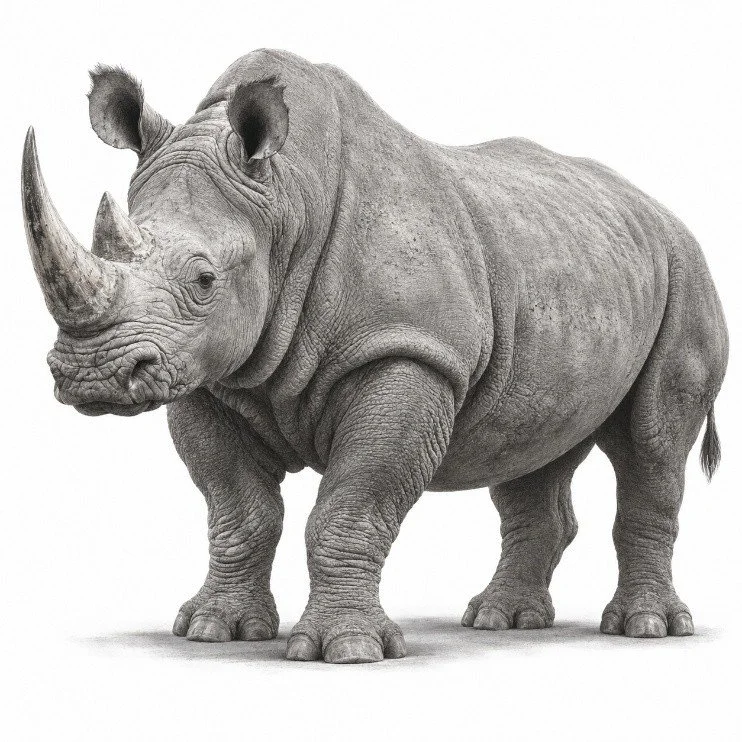
Magnificent in its sheer size and prehistoric presence, the white rhinoceros is one of Africa's great landscape engineers. Unlike its hook-lipped cousin, the black rhino, the white rhino possesses a broad, square mouth designed for grazing, maintaining the short-grass habitats that support an extraordinary diversity of other wildlife. Yet neither its immense strength nor its ecological importance has spared it from the relentless persecution driven by the international trade in rhinoceros horn. In 2000 Rhinos, the struggle to protect these remarkable animals reflects a much larger battle, one in which conservationists must confront an industry prepared to turn extinction into a profitable enterprise. This sculpture represents the enduring determination to preserve a species whose greatest misfortune is possessing something mankind believes is worth more than its life.
Under the HOUSE OF APEX™ brand, the Apex Fighter Collection is created in sterling silver by Apex Wildlife Foundry LLC, translating the world of combat discipline, readiness, and consequence into enduring precious-metal form. This collection bridges wildlife and the fight game through a shared structural truth: the apex predator and the apex combatant carry the same musculature, the same focus, and the same instinct for confrontation. Each piece stands at the intersection of strength, training, and survival—linking the symbolic force of the House of Apex universe to the sculptural work of the foundry.
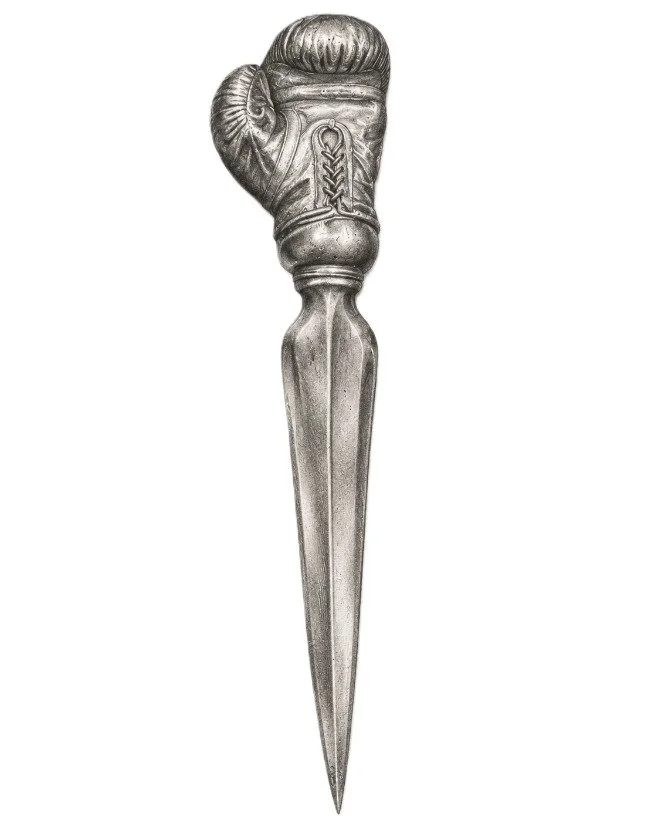
In the world of professional combat, the boxing glove represents considerably more than a means of delivering punishment. It is an extension of the fighter's discipline, determination and willingness to confront an adversary who has spent a lifetime developing precisely the same skills. From the formidable fighting abilities of Michael Ferretti to the calculated aggression of Nicolas Harcourt, the combatants of Under the Iron Canopy understand that victory belongs not necessarily to the strongest man, but to the one capable of exploiting the slightest weakness. Fashioned as a sterling silver letter opener, The Fighter's Edge transforms the familiar boxing glove into a blade, a symbolic reminder that the most dangerous weapon a fighter possesses is ultimately the mind controlling his fists.
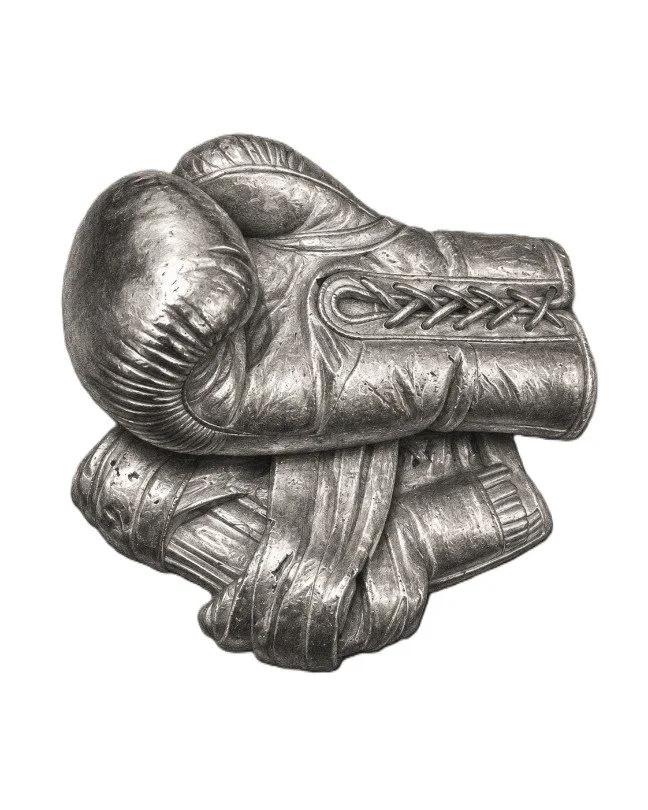
Behind every celebrated victory lies a price seldom appreciated by those watching from beyond the ropes. The bloodied knuckles, fractured bones, torn ligaments and countless hours of punishment endured in preparation for a confrontation that may last only minutes. Within the combat-sports world of Under the Iron Canopy, these battered boxing gloves represent the physical sacrifices made by men whose determination to prevail often exceeds their willingness to acknowledge the damage being inflicted upon themselves. Resting upon their worn hand wraps, the gloves bear witness to a simple truth: victory may belong to the fighter, but the consequences of achieving it remain his alone.
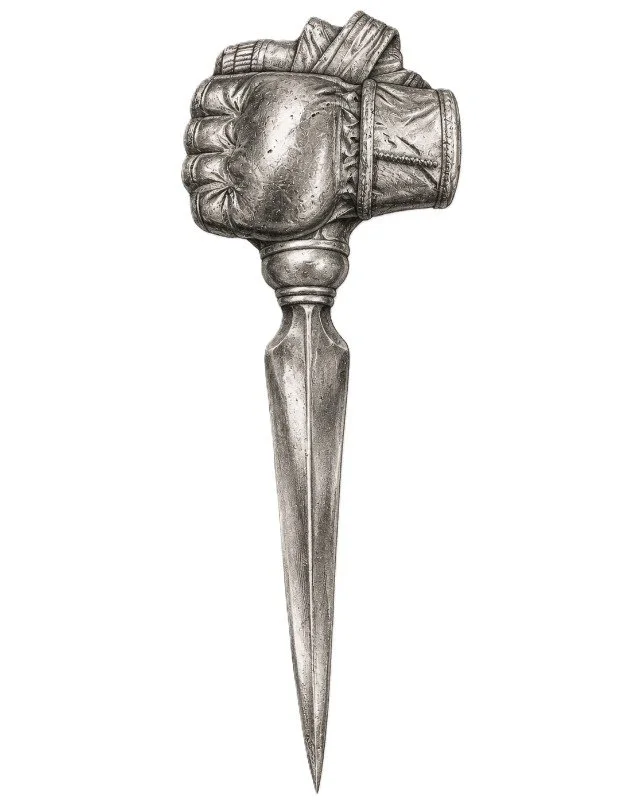
Where the traditional boxer relies upon the precision of his fists, the mixed martial artist has developed an altogether more comprehensive understanding of combat. Striking, grappling, submission and the ability to transition between disciplines have transformed the modern fighter into a formidable instrument of controlled aggression. In Under the Iron Canopy, men such as Michael Ferretti and Nicolas Harcourt embody different expressions of that fighting philosophy, where intelligence, adaptability and the ability to anticipate an opponent's intentions are every bit as important as physical strength. Cast in sterling silver, The Mixed Martial Artist's Edge brings together the unmistakable MMA glove and the blade of a letter opener, symbolizing the evolution of combat and the relentless pursuit of the decisive advantage.
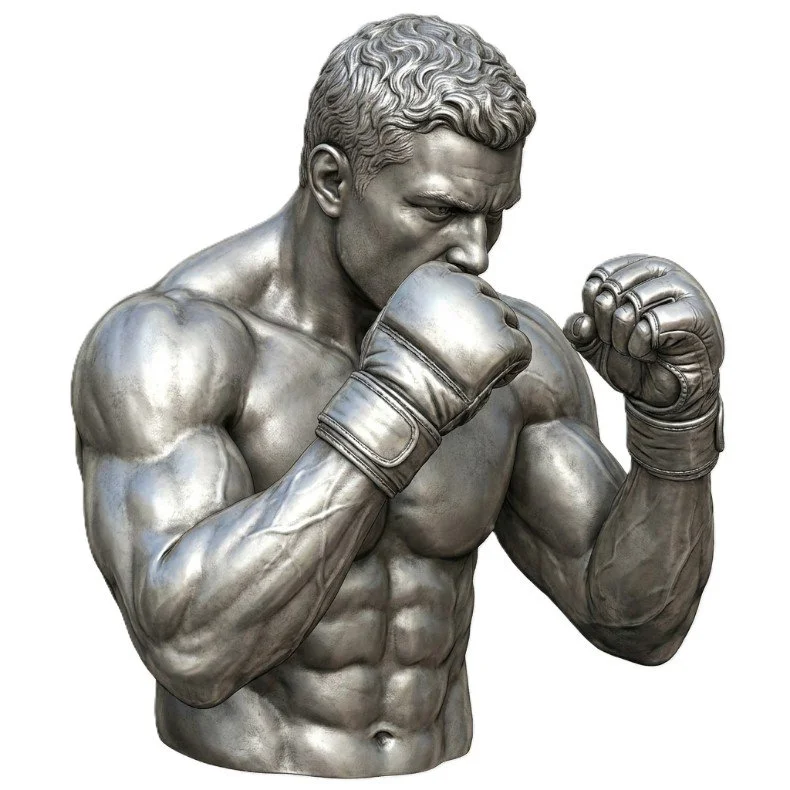
Before the first blow is thrown, the contest has already begun. Every movement, every adjustment in posture, every subtle change in an opponent's expression reveals something to the fighter capable of recognizing it. In Under the Iron Canopy, the confrontation between Gabriel Serrano and Nicolas Harcourt brings two fighting philosophies into direct competition, where experience, technical understanding and the ability to interpret another man's intentions become critical to survival. The fighter's stance is neither passive nor defensive, but a state of calculated readiness, the body prepared to respond before the mind has consciously acknowledged the threat. This sterling silver sculpture captures that moment of extraordinary concentration, when instinct, training and anticipation become inseparable.
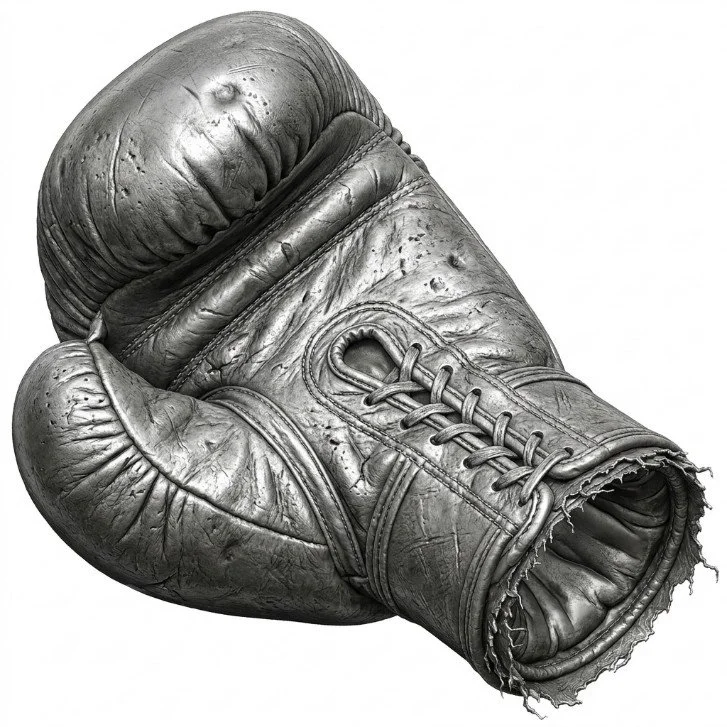
Every great fighter begins somewhere, long before the recognition, championship titles and expectations of those who have come to admire his abilities. There are no cheering crowds in those early years, merely the relentless repetition of techniques, the frustrations of defeat and the gradual realization that talent alone will never be enough. For men such as Michael Ferretti, whose achievements extend beyond the fighting arena, the discipline developed through combat becomes something considerably more valuable than the ability to defeat another man. The battered, lace-up boxing glove represents those beginnings, when ambition was still unproven, the sacrifices were personal and the only certainty was the determination to become something greater than the man who first stepped into the ring.
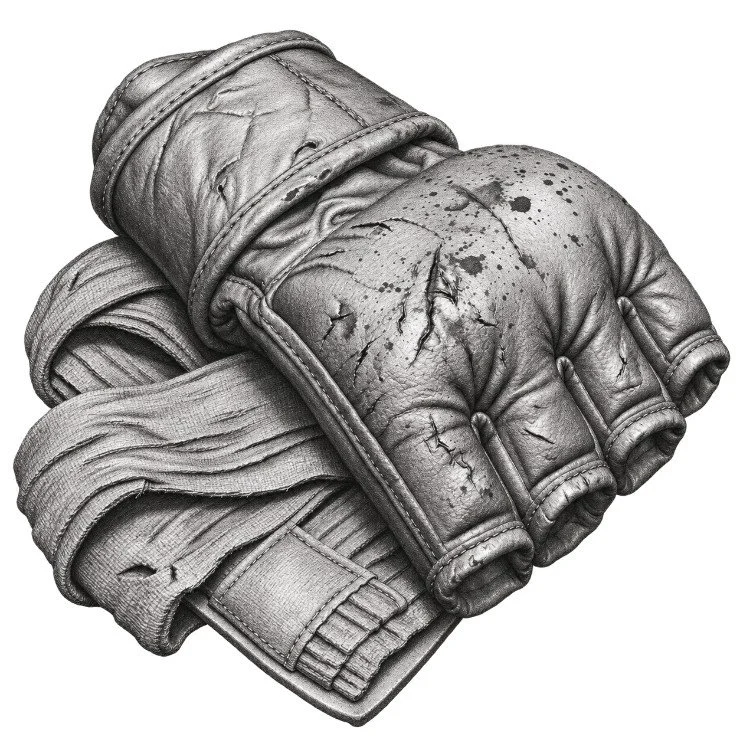
Mixed martial arts demands a level of physical and psychological commitment that few outside the discipline can fully appreciate. A fighter must be prepared to absorb punishment from virtually every direction while maintaining the clarity of thought necessary to exploit the smallest opening in his opponent's defence. In the uncompromising combat world portrayed in Under the Iron Canopy, the consequences of that commitment extend considerably beyond the final bell. The battered MMA glove, resting upon its bloodied and fraying hand wraps, represents the accumulated punishment of countless encounters, the injuries concealed beneath professional composure and the extraordinary resilience required to return to the arena. For the fighter, the greatest struggle is sometimes not the man standing opposite him, but the damage he must overcome within himself.
The highest synthesis of the HOUSE OF APEX™ universe. The Apex Artifact Collection brings to life the tangible objects of the novels — the relic the protagonist holds, the talisman the antagonist carries, the keepsake, the weapon. Conceived in the written narrative and realized in sterling silver by Apex Wildlife Foundry LLC, each Artifact is produced in strictly limited, numbered editions, personally signed and authenticated.
An Artifact is not an interpretation of the story. It is the story made physical.
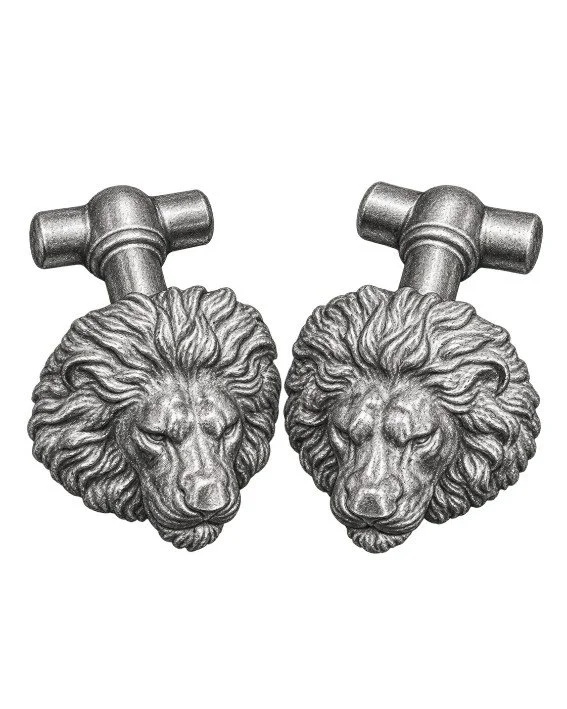
There are some gifts whose significance extends considerably beyond their material worth. When Neville Davies presented Carl Hendricks with a pair of sterling silver lionhead cufflinks following his world championship victory, they represented far more than recognition of his achievements in the fighting arena. For Carl, whose extraordinary life had become inseparable from the magnificent lions he had fought to protect, the lion was both a symbol of courage and a reminder of the responsibilities accompanying strength. Worn at a wedding at Ngala Wildlife Preserve, with Nicki Bowman beside him, these cufflinks became an understated expression of the man Carl had become. Two magnificent lion heads, captured in sterling silver, representing a bond between the warrior and the wilderness that no championship title could ever adequately define.
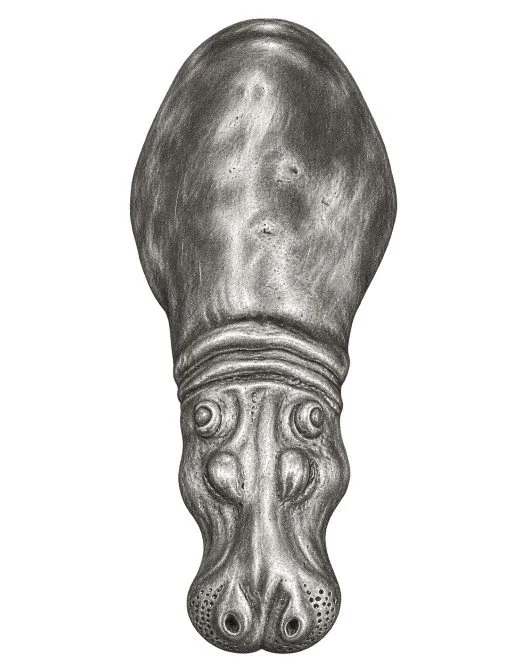
Few creatures in the African wilderness are more dangerously misunderstood than the hippopotamus. Beneath an almost comical exterior lies an enormously powerful, territorial animal capable of extraordinary aggression, particularly when its sanctuary is threatened. Floating almost entirely submerged, with little more than its eyes, ears and nostrils breaking the water's surface, the hippopotamus can appear deceptively harmless to those unfamiliar with its temperament. Yet within the rivers and waterways that form an integral part of the landscapes of my novels, appearances can prove fatally misleading. This sterling silver paperweight captures the extraordinary contrast between the apparent tranquillity of a submerged giant and the formidable power concealed beneath the surface, a reminder that the African wilderness seldom reveals its intentions until it is ready.
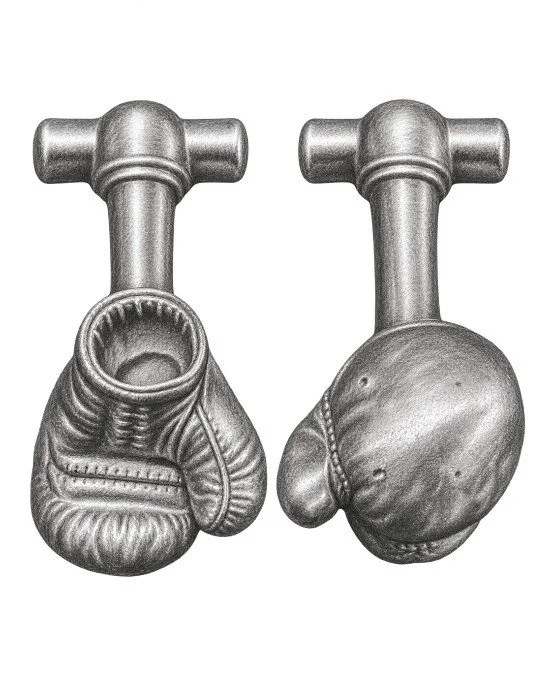
For the professional fighter, the gloves become an extension of everything he has endured to reach the pinnacle of his chosen discipline. They carry the memory of countless hours spent refining techniques, the disappointments of defeat, the physical punishment of competition and the extraordinary personal discipline required to rise above it all. Within the fighting world of my novels, men such as Carl Hendricks and Michael Ferretti understand that the real measure of a champion is not necessarily the titles he accumulates, but the character he develops in the pursuit of them. Fashioned as miniature boxing gloves in sterling silver, these cufflinks represent that journey, transforming one of the most recognizable instruments of combat into an enduring symbol of achievement, perseverance and the sacrifices that inevitably accompany success.
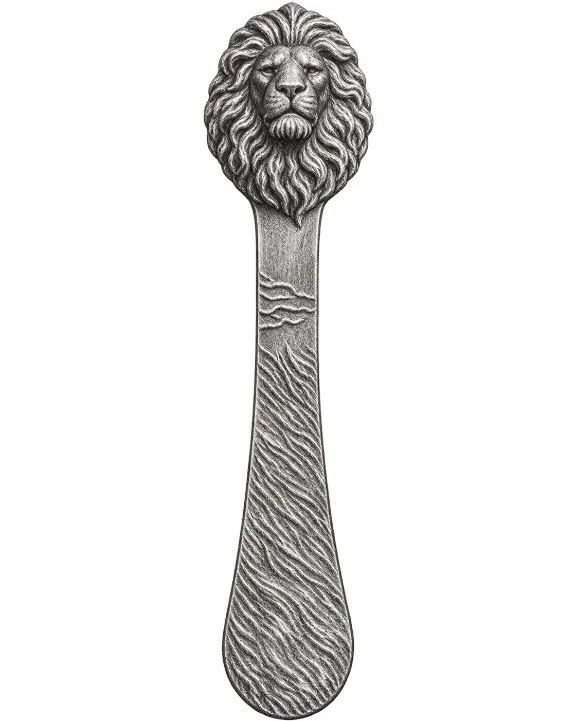
There are few encounters in the natural world capable of leaving a more profound impression than standing before a magnificent male lion. For Carl Hendricks, whose life would become forever intertwined with the survival of the Barbary lion, the presence of these extraordinary animals represented something considerably greater than their formidable strength or physical magnificence. At Ngala, the distinctive mane of a surviving Barbary lion became a defining feature of an animal whose ancestry carried the legacy of a species believed lost to its native wilderness. Crowned by the head of a magnificent lion, this sterling silver bookmark represents that legacy, its sculpted mane and engraved body bringing together the majesty of the animal and the written world in which its story unfolds. A permanent reminder that while a species may disappear from the wild, its story need never be forgotten.
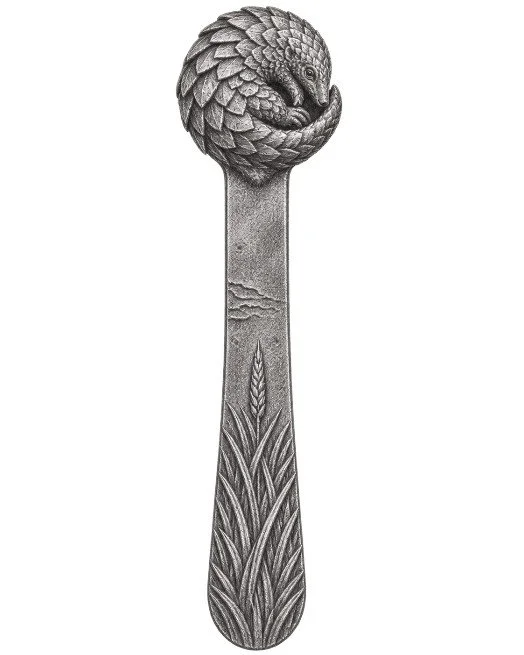
Of all the creatures that have inspired my novels, few illustrate the extraordinary cruelty of wildlife persecution more profoundly than the pangolin. A gentle, largely defenceless animal, whose only response to danger is to curl into a tightly armoured ball, relying upon the overlapping scales that nature provided for its protection. Yet those very scales have become the reason for its relentless persecution, transforming one of the world's most remarkable mammals into a commodity within a ruthless international trafficking industry. In The Last Scales, the pangolin becomes the heart and soul of a story exposing the consequences of that trade, and the extraordinary lengths to which others will go to protect a creature incapable of protecting itself against mankind. Crowned by a defensively curled pangolin, with the grasses of its natural habitat engraved into the sterling silver beneath, The Scales Keeper represents the enduring relationship between the written word, the wildlife it seeks to protect and the responsibility we carry to ensure these remarkable creatures survive.
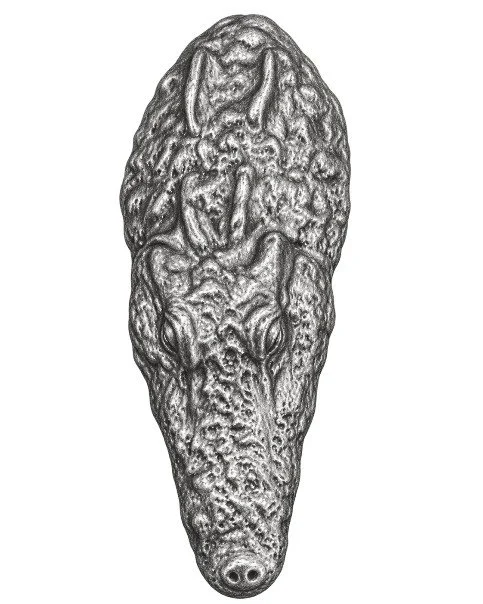
Long before mankind first set foot upon the African continent, the crocodile had already perfected the art of survival. An extraordinary predator whose evolutionary ancestry reaches back millions of years, it possesses the patience to remain almost motionless beneath the water's surface, waiting for the slightest opportunity to strike. To the unsuspecting animal approaching a riverbank, the only indication of danger may be the barely visible outline of a heavily armoured head, its eyes and nostrils positioned above the water while the remainder of its formidable body lies concealed beneath. Within the unforgiving wilderness of my novels, the crocodile represents one of nature's most effective instruments of predation, a creature governed not by malice or cruelty, but by an instinctive understanding of survival. This sterling silver paperweight captures that moment of deceptive stillness, when the ancient predator watches, waits and allows the unwary to make the fatal mistake of believing the water is safe.